AI & CRM

AI & CRM
AI Automation in Online Casinos — Practical Use Cases for 2026
Practical AI automation use cases for online casinos in 2026: VIP detection, churn prediction, KYC review, bonus abuse and personalised game recommendations.
AI is finally producing measurable lift in iGaming — not as a chatbot novelty, but in the parts of the funnel that move money. Here are the five highest-ROI AI use cases we deploy for operators in 2026.
1. VIP detection (within 14 days)
Classic VIP rules trigger on lifetime deposits. Modern models flag VIPs from session-2 behavioural signals: bet-size escalation, session length variance, and game-mix diversity. Operators using behavioural VIP detection report 2.1× higher VIP conversion at 90 days.
2. Churn prediction and save-offer routing
A gradient-boosted model on the last 60 days of activity predicts 30-day churn with 0.86 AUC for most casino datasets. Pair predictions with an offer-arm bandit and let the CRM auto-route bonus, free spins or cash-back to the highest-uplift player.
3. KYC document pre-review
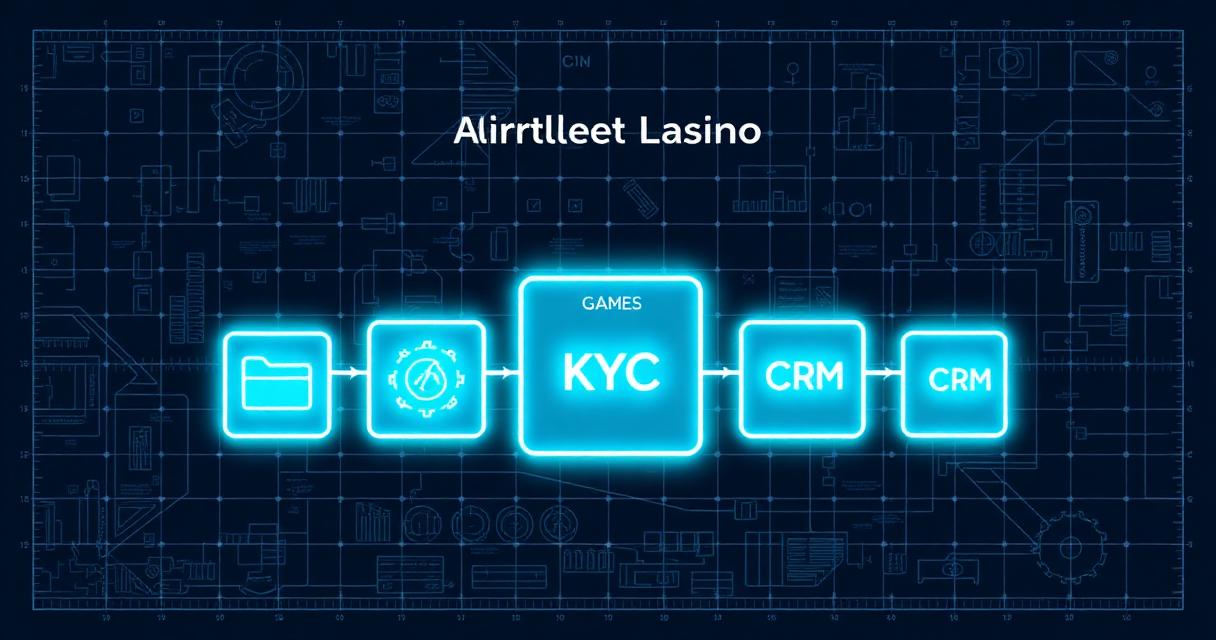
Vision models cut manual KYC review by 60–80%. The model classifies document type, runs OCR, cross-checks PEP/sanctions and only escalates ambiguous cases to a human reviewer.
4. Bonus abuse detection
Graph-based fraud models catch multi-accounting that traditional device-fingerprinting misses. Cluster accounts by shared payment hashes, IP/ASN, betting fingerprints and timing patterns; flag clusters above your risk threshold.
5. Game recommendation that actually converts
Two-tower recommender models trained on session-level click + wager data outperform popularity rankings by 18–30% on revenue per visit. Refresh embeddings nightly and you'll see the bump within two weeks.
Frequently asked questions
- Do I need a data-science team to use these?
- Not for the first three — VIP detection, churn and KYC pre-review are available as managed services. Custom recommenders and fraud graphs benefit from in-house data engineering.
- Is AI usage allowed by regulators?
- Yes, with caveats: automated decisions affecting player limits or self-exclusion must be auditable and reversible. Keep model versions and feature snapshots for at least 12 months.